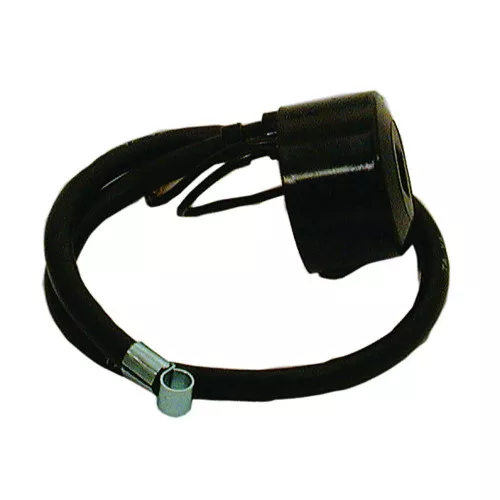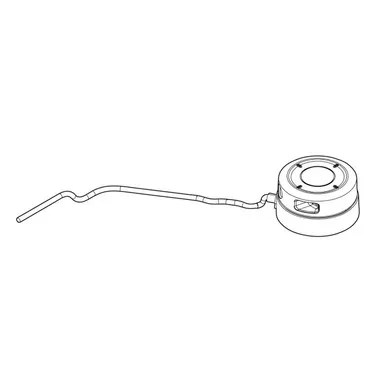
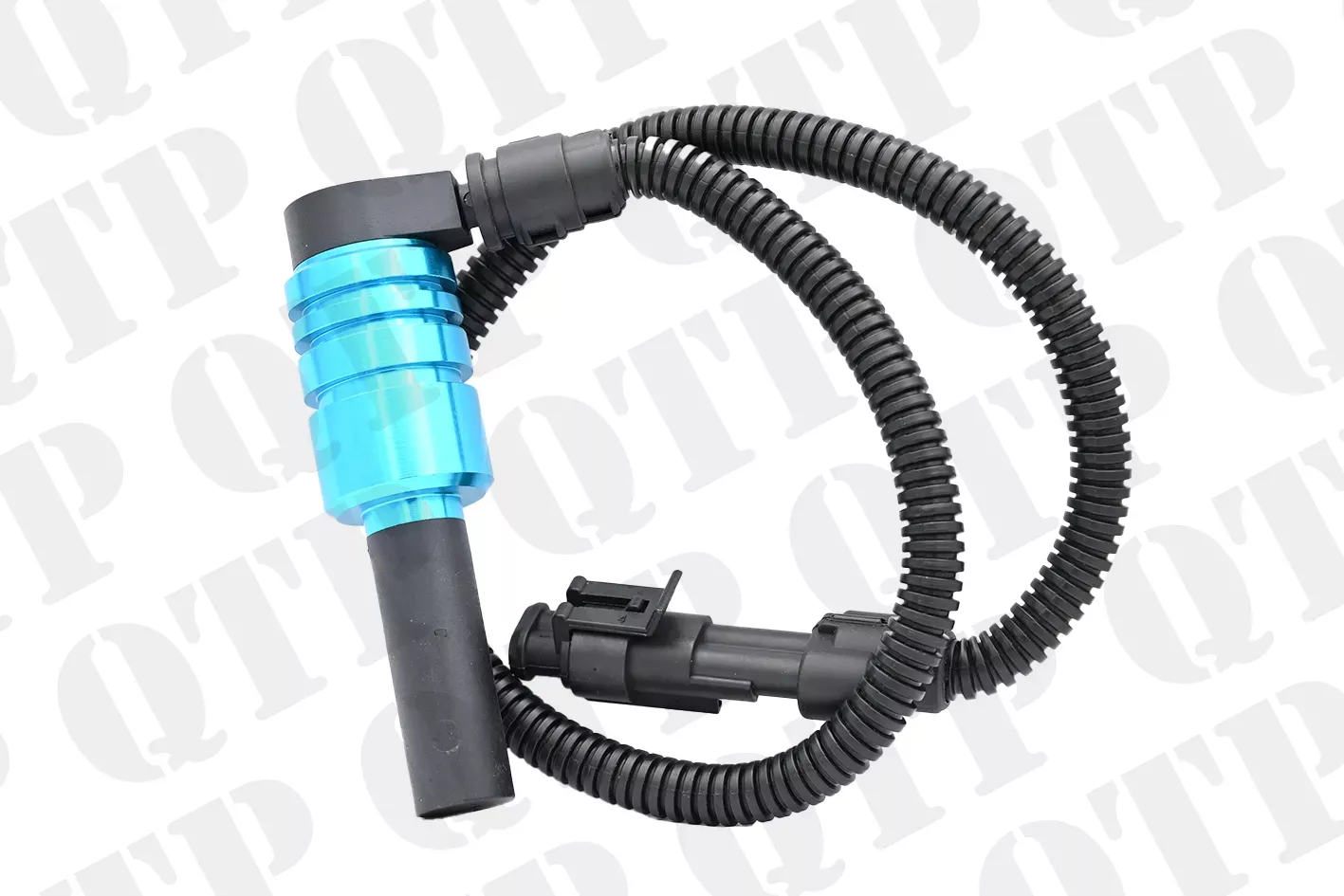
When your speedometer starts acting up or your transmission isn’t shifting right, there’s a good chance your speed sensor is sending weak signals or has quit altogether. This sensor feeds critical speed data to your tractor’s brain, helping it know when to shift, what your ground speed is, and how to match implement speeds. Without it working properly, you’re flying blind on some of your most important readings.
What You’re Getting
- Electronic sensor technology that provides precise speed measurement for accurate transmission control
- Weather-resistant construction that handles dust, moisture, and temperature swings like a champ
- Direct replacement design that bolts right in without modifications or adapters
- Quality materials built to handle the vibration and stress of farm operations
- Accurate signal transmission that keeps your speedometer reading true and your shifting smooth
Built for Real Farm Work
This sensor is designed for Ford New Holland TS Series tractors – the reliable mid-range machines that handle everything from loader work to field operations. These tractors depend on accurate speed sensing for proper transmission control, whether you’re creeping along with a planter or cruising between fields. When the sensor’s working right, your tractor shifts when it should and your speedometer gives you the real story.
Made to Last
Farm equipment sensors take a beating from constant vibration, temperature changes, and the occasional hydraulic fluid bath. This one’s manufactured to original equipment specs with materials that can handle the agricultural environment. The electronic components are sealed against moisture and built to provide consistent signals throughout the sensor’s service life.
Installation Notes
Installation is straightforward – disconnect the battery, unplug the old sensor, and bolt in the new one. The sensor location varies by transmission type, so having your service manual handy helps. Make sure all electrical connections are clean and tight, and don’t forget to reconnect that battery when you’re done.