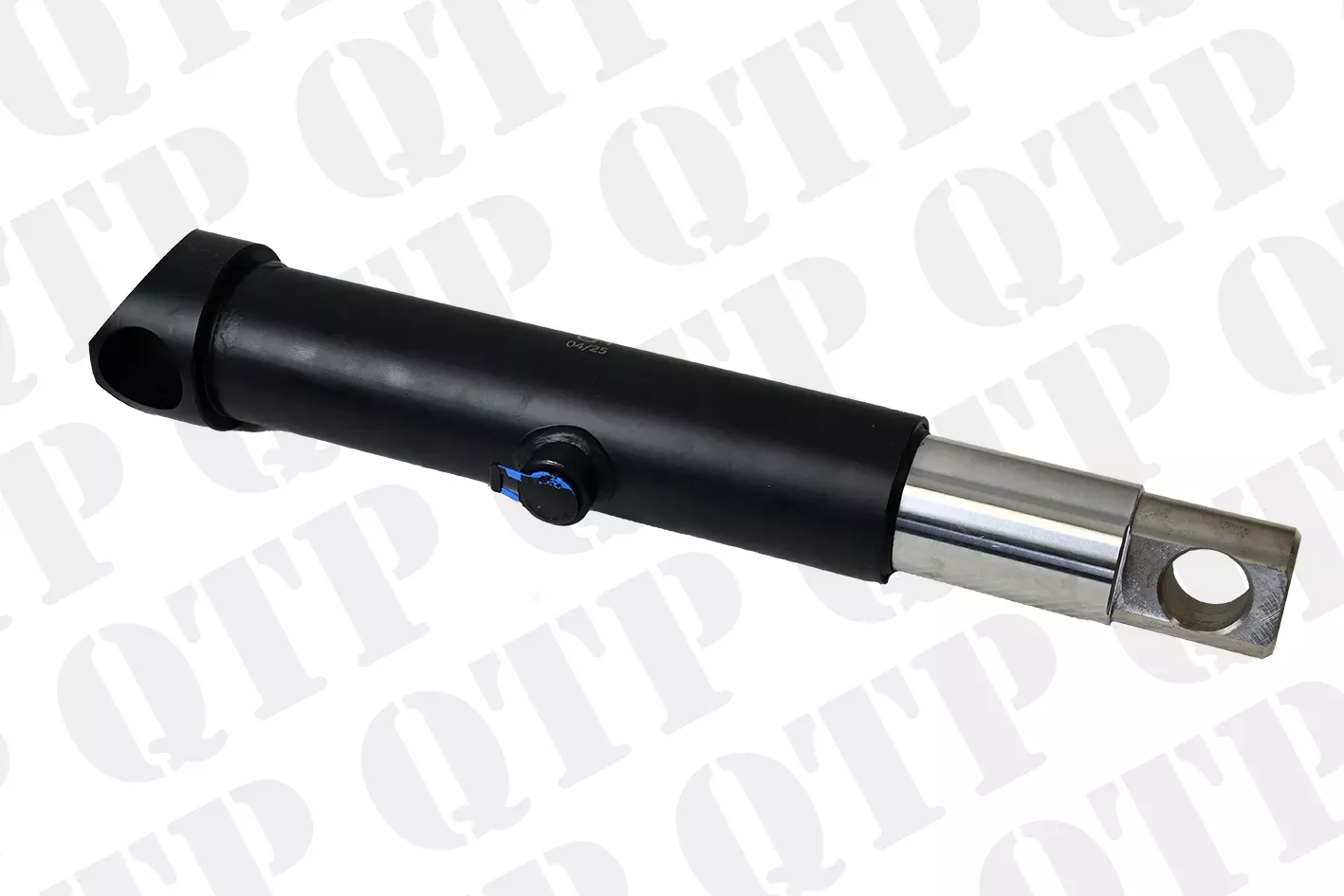
When your three-point hitch won’t lift implements smoothly or you’re losing hydraulic pressure in the lift system, a worn hydraulic lift cylinder is usually the culprit. This cylinder is the heart of your Case Maxxum or MXU’s three-point system, converting hydraulic pressure into the lifting force that raises and lowers everything from plows to mowers. When it’s working right, you get smooth, precise implement control that makes long days in the field a lot easier.
What You’re Getting
- Precise hydraulic pressure conversion that delivers reliable lifting force for Category II implements
- Robust construction designed to handle the demanding conditions of agricultural work
- Quality seals and components that maintain proper hydraulic pressure without leaks
- Direct replacement that restores factory hydraulic performance and control response
Built for Real Farm Work
This cylinder is engineered specifically for Case Maxxum and MXU series tractors, the 100-140 horsepower workhorses that handle everything from row crop farming to livestock operations. Whether you’re running a heavy disc, operating a finish mower, or switching between different implements throughout the day, this cylinder provides the lifting capacity and control precision these versatile tractors are known for.
Made to Last
Farm hydraulic systems work hard and need components that can handle thousands of pressure cycles without failing. This cylinder features precision-machined components and quality seals that resist the temperature swings, contamination, and pressure spikes that come with agricultural use. The construction maintains tight tolerances for proper sealing while delivering reliable operation season after season.
Installation Notes
Replacing a hydraulic lift cylinder requires draining the hydraulic system and careful disassembly of the three-point components. While you’ve got the system apart, it’s a good time to inspect hydraulic lines and consider changing your hydraulic filter and fluid. Proper bleeding after installation is essential to remove all air from the system and restore smooth operation.