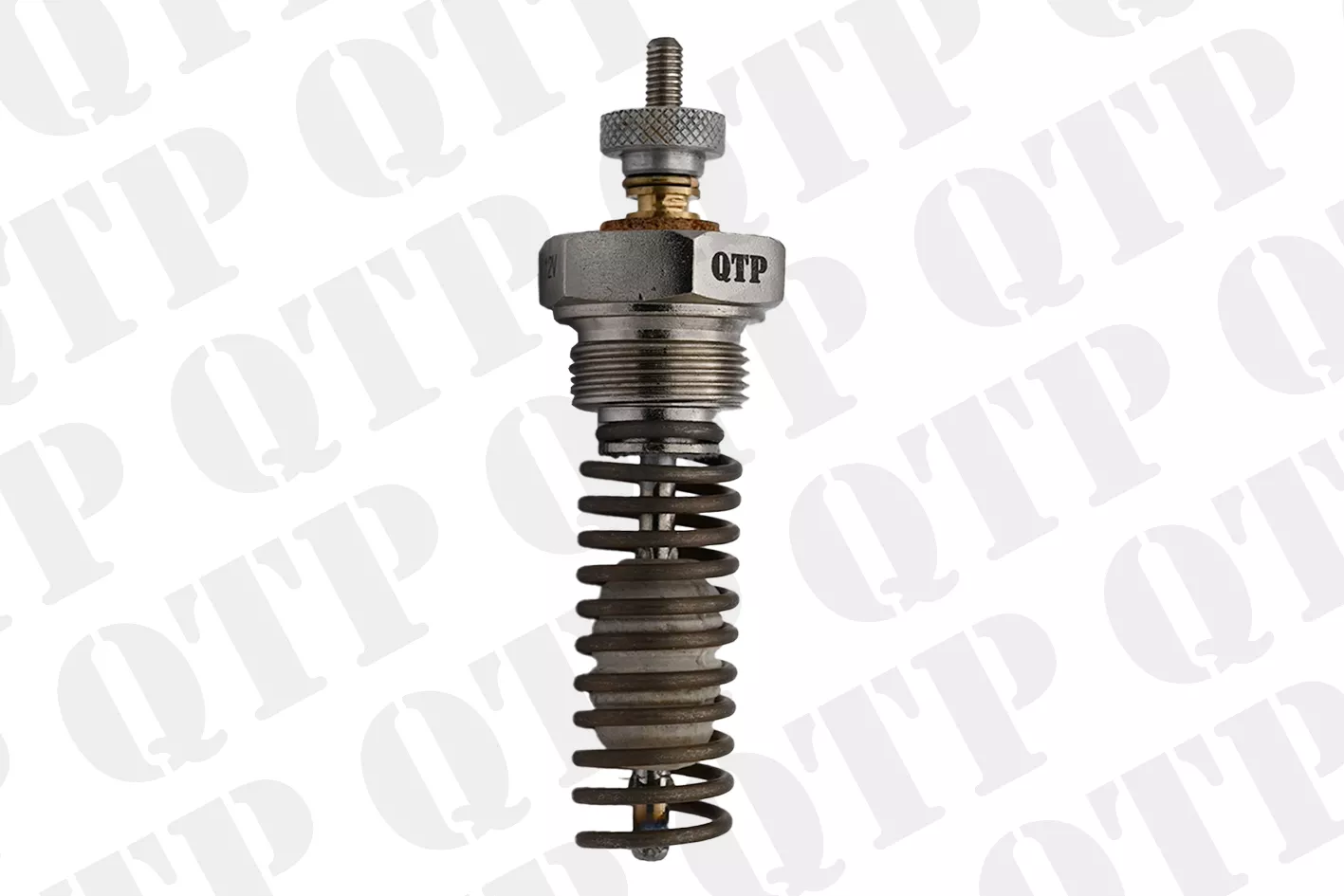
When winter temperatures hit and your reliable Steyr starts acting like a stubborn mule that won’t fire up on cold mornings, a worn heater plug is usually what’s keeping you from getting to work when every minute of daylight counts. This heater plug provides the pre-heat your diesel engine needs to fire up reliably in cold weather, heating the combustion chamber so your engine starts quickly instead of cranking endlessly while you’re burning daylight and wearing out your starter. If you’ve been dealing with endless cranking, white smoke, or rough cold starts, this replacement plug gets you back to reliable starts so you can focus on the work instead of fighting with equipment.
What You’re Getting
- Extra heat needed to warm the combustion chamber and make cold diesel fuel ignite reliably
- Reduces white smoke and rough running that occurs when diesels start cold
- Quality construction that heats up quickly and maintains proper temperature for reliable starting
- Direct replacement for your original Steyr heater plug—no modifications needed
Built for Real Farm Work
This heater plug fits the entire Steyr 8000 series lineup, from the 8055 utility models up through the big 8120 Turbo tractors. These tractors often operate in challenging weather conditions where reliable cold-weather starting is essential for maintaining productivity, whether starting early morning chores in freezing temperatures or emergency operations during winter storms. When you’re feeding livestock before dawn or need to fire up the tractor for snow removal, reliable starting isn’t a luxury—it’s a necessity.
Made to Last
The robust construction heats up quickly and maintains proper temperature for reliable ignition, while standing up to the thermal stress of heating and cooling cycles that come with seasonal farm work. Quality heater plugs reduce engine wear during cold starts by ensuring complete fuel combustion from initial startup, minimizing unburned fuel contamination.
Installation Notes
Before installation, clean the cylinder head threads thoroughly and inspect them for damage that could prevent proper sealing. Apply anti-seize compound to the threads to prevent the plug from seizing in the head, making future removal easier. Don’t overtighten, as this can damage the plug or cylinder head threads. Test the plug’s operation after installation to make sure it’s heating properly before you need it on that first cold morning.